Important Policy Clarification
Do Personal Alarm Systems
Require a Prescription Under
Support at Home?

There is widespread confusion among providers, coordinators, and clients about whether a personal alarm system requires an Occupational Therapist prescription under the new Support at Home AT-HM Scheme. The answer — confirmed in writing by the Australian Government — may surprise you.

Government Confirmed — No Mandatory OT Prescription Required
Minister for Aged Care and Seniors, Minister Rae, has confirmed in an official parliamentary response that an OT or health professional recommendation is "a guideline only and not a mandatory requirement for providers or participants approved for assistive technology funding."
Setting the Record Straight
The Common Misconception
vs The Reality

This misunderstanding is causing unnecessary delays for older Australians who need safety equipment urgently. Here is the myth — and the fact as confirmed by the Government.

Common Misconception
A personal alert system is a prescribed item under the Support at Home AT-HM Scheme and therefore requires a formal assessment and written prescription from an Occupational Therapist before a client can access one — causing delays of months or even years.
Government Confirmed Fact
An OT or health professional recommendation is a guideline only — not a mandatory requirement. Providers approved for AT-HM assistive technology funding can arrange a personal alert system for their clients without requiring a formal OT prescription. Access does not need to be delayed.
🏭 Official Parliamentary Response — Document 74 — December 2025
"Personal emergency alarm systems are recommended as being prescribed by a suitably qualified health professional (operating within their scope of practice) to confirm the item is needed and fit-for-purpose; however, this is a guideline only and not a mandatory requirement for providers or participants approved for assistive technology funding. Providers are responsible for arranging/supporting older people to access any required AT-HM, including prescription, and wraparound services, in accordance with the older person's assessed needs."
Minister Rae — Minister for Aged Care and Seniors
Official Answer to House of Representatives Question on Notice No. 74 — Tabled 26 December 2025
Asked by Rebekha Sharkie MP, 28 October 2025

This is an official Australian Government parliamentary document. The full document can be downloaded below for reference and to share with your team, clients, and funding bodies.

Flexibility Built Into the Scheme
Who Can Recommend a
Personal Alert System?

The Government has deliberately designed the AT-HM Scheme to allow a broad range of qualified professionals to support access — specifically to avoid delays caused by OT waitlists. The following professionals may all recommend a personal alert system within their scope of practice:

🏗
Registered Nurses
Operating within their scope of practice
🩹
Occupational Therapists
Allied health professionals
👨‍⚕️
General Practitioners (GPs)
Health professionals within scope
🌐
Aboriginal & Torres Strait Islander Community Health Workers
Within professional scope of practice
Rehabilitation Specialists
Operating within scope of practice
👥
Providers Themselves
Responsible for arranging AT-HM access for clients

Critically, the AT-HM scheme does not specify which health professionals are suitably qualified to prescribe each individual product — meaning providers have genuine flexibility in how they support clients to access a personal alarm system.

For Providers & Coordinators
What This Means
for Your Clients

This clarification has significant practical implications for anyone supporting an older Australian under the Support at Home program.

Faster Access
Clients do not need to wait months for an OT appointment to access a personal alarm system. Providers can arrange this directly through their AT-HM funding.
💰
Funding Available Now
AT-HM funding is separate from ongoing Support at Home funding and can be allocated ahead of a client's full package — meaning devices can be accessed sooner.
🛡
No Unnecessary Delay
The Government explicitly designed the scheme this way to avoid the exact problem of OT waitlist delays preventing access to essential safety equipment.
👥
Provider Responsibility
Providers are responsible for arranging or supporting access to AT-HM items for their clients. You don't need to wait for an external referral to get a personal alarm organised.
📋
Multiple Prescribers
If clinical support is desired, any appropriate health professional — not only an OT — can provide it. GPs, registered nurses, and rehabilitation specialists all qualify.
🏠
Supports Independent Living
Personal alarm systems were cited by 78% of elderly Australians as the single most important product for remaining safely at home. Faster access directly supports independence.
Common Questions Answered
Frequently Asked
Questions
Does my client need an OT assessment before I can order a CareAlert personal alarm under Support at Home?
No. The Minister for Aged Care confirmed in parliament that an OT recommendation is "a guideline only and not a mandatory requirement for providers or participants approved for assistive technology funding." If your client is approved for AT-HM funding, you can arrange a personal alarm without a formal OT prescription.
Is this confirmed by the Government officially — not just industry opinion?
Yes — this is a written response from Minister Rae, Minister for Aged Care and Seniors, tabled in the House of Representatives in December 2025 in response to Question on Notice No. 74. It is an official parliamentary document and can be downloaded from this page. It is not an interpretation — it is the Government's stated position.
If a prescription isn't required, why was there so much confusion?
The AT-HM Scheme guidance describes OT prescription as a recommendation for personal alert systems, which many providers and coordinators interpreted as mandatory. The parliamentary response directly addressed this — clarifying that it is a guideline, not a requirement. The Government designed the scheme with multiple prescriber types specifically to avoid OT waitlist bottlenecks delaying access.

It is important to note that as a provider, you are not required to engage a prescriber before arranging urgent access to a personal alarm system for your client. The Government's position is clear — a health professional recommendation is a recommendation only, not a mandated step. Where a client has an urgent safety need, providers can and should act without waiting for a prescription that is not legally required.
Who is responsible for arranging a personal alarm under Support at Home?
The Government's response states clearly that "Providers are responsible for arranging/supporting older people to access any required AT-HM." This means as a provider, you have both the authority and the responsibility to arrange a personal alarm for your client once AT-HM funding is approved — you do not need to wait for an external OT referral.
What if I want clinical support anyway — can I still involve an OT?
Absolutely — an OT assessment remains a valuable clinical tool and many providers will still choose to involve one. The key point is that it is optional, not mandatory. If your client has urgent safety needs and an OT waitlist would cause significant delay, you are not required to wait. If you prefer the additional clinical support and timing allows, that remains entirely appropriate.
Does CareAlert's Smart Dialler qualify under the AT-HM Scheme?
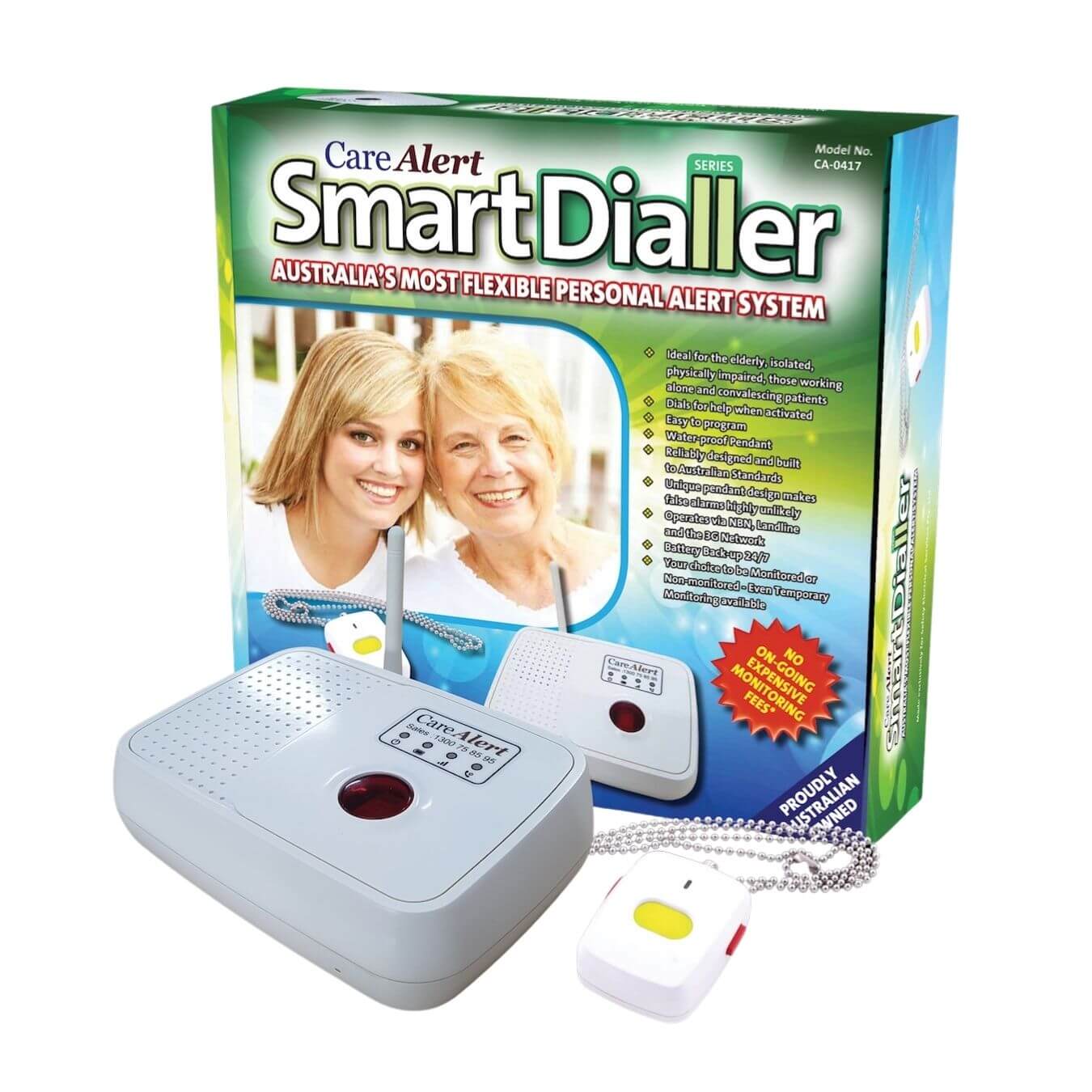
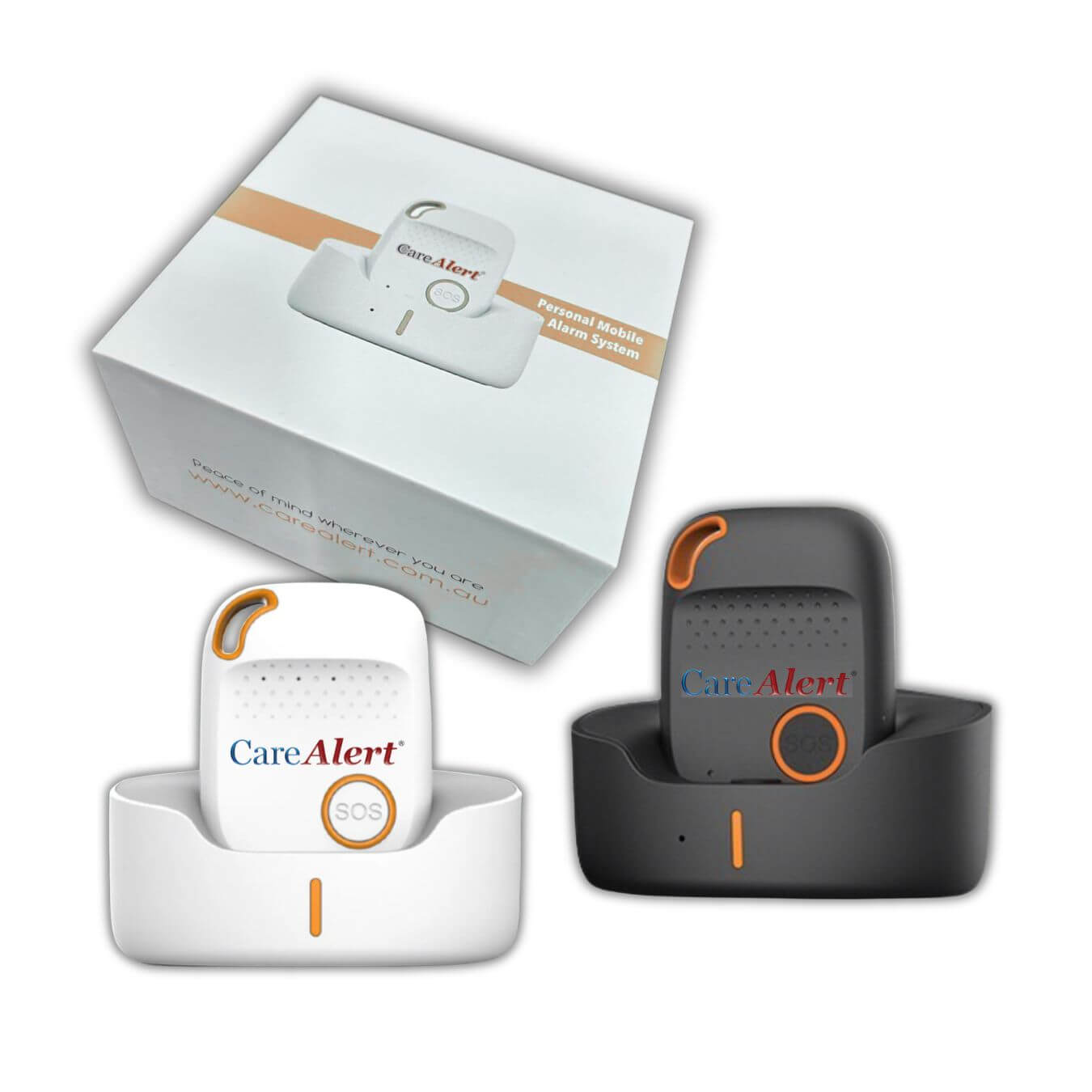
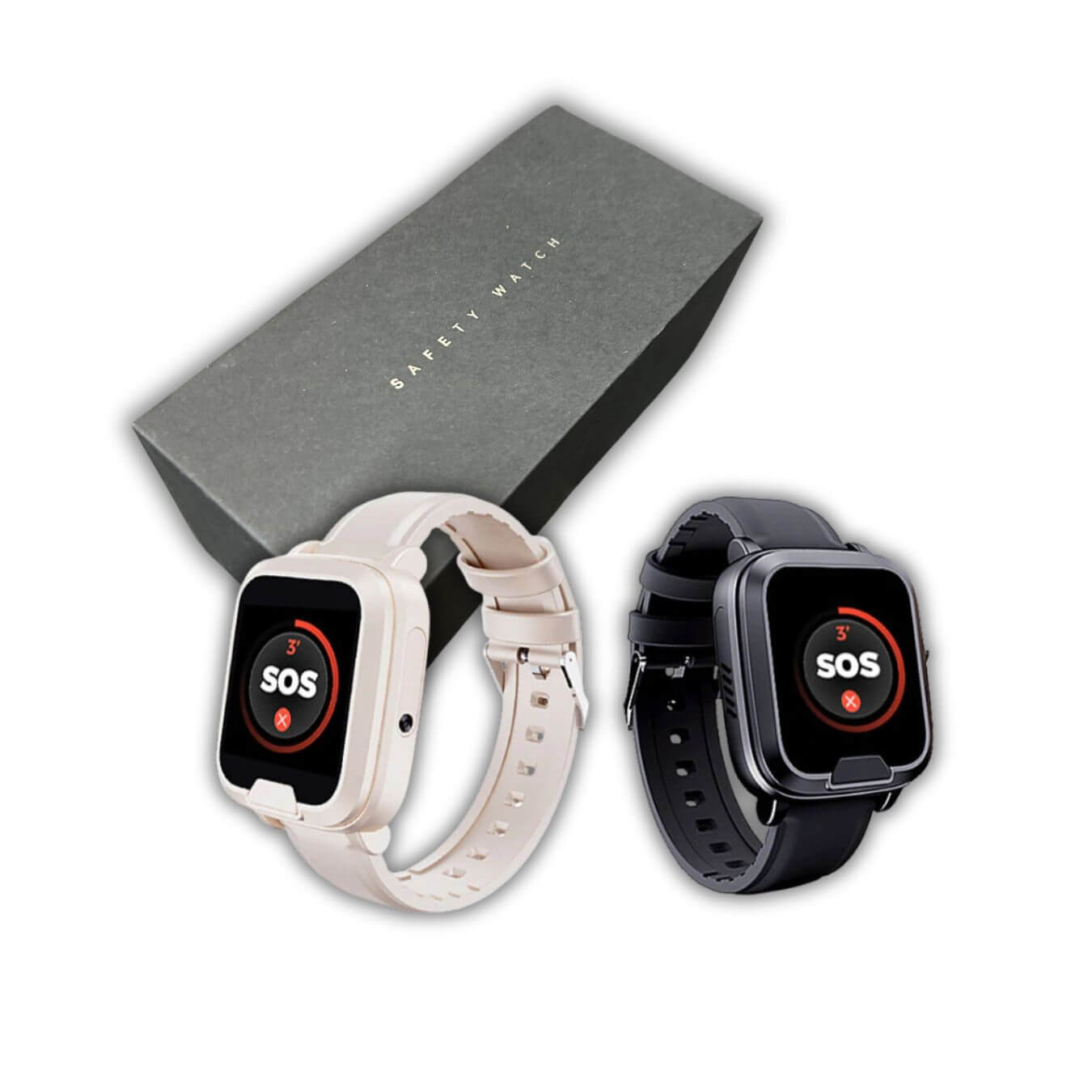
Yes. CareAlert's personal alarm systems — including the Smart Dialler (home alarm), GPS Go Anywhere (mobile alarm), and Emergency Watch — are eligible under the AT-HM Scheme as personal emergency alarm systems. CareAlert is a registered NDIS provider and can provide all supporting documentation, quotes, and invoices directly to the funder. Contact us and we will handle the paperwork for you.
How do I order a CareAlert system for a client under Support at Home?
Simply visit our Healthcare Hub where you can place an order, request a quote, or request supporting documentation. We handle NDIS and My Aged Care invoicing directly and can provide all the paperwork your team needs. Devices are dispatched same day (before 12pm ACST) and arrive fully pre-programmed and ready to use.
📄
Download the Official Government Document
The full parliamentary response from Minister Rae — House of Representatives Question on Notice No. 74, tabled 26 December 2025 — is available to download. Share it with your team, management, and funding bodies as official confirmation of this policy position.
⬇ Download Official Government Document (PDF)

House of Representatives Questions on Notice — Question No. 74 — December 2025 — Official Australian Government Document

Ready to Help Your Clients
Access Protection Now?
CareAlert handles all the documentation, funding paperwork, and invoicing directly. Devices arrive fully pre-programmed and ready to use — same day dispatch on orders before 12pm ACST.

100,000+

Lives protected since 2005

20+

Years helping Australians stay independent